 ultimate-guide
Buy Professional Snooker Tables Online: 2026 Guide
Table of Contents
- What Makes a Snooker Table Tournament-Grade
- Standard Snooker Table Dimensions and Room Requirements
- Full-Size vs. Small Snooker Tables: Which Fits Your Space
- Snooker Table Installation Services and Delivery Logistics
- Bespoke Craftsmanship and Customizable Finishes
- Snooker Table Maintenance Tips for Long-Term Play
- Frequently Asked Questions
Last Updated: September 14, 2026
What Makes a Snooker Table Tournament-Grade
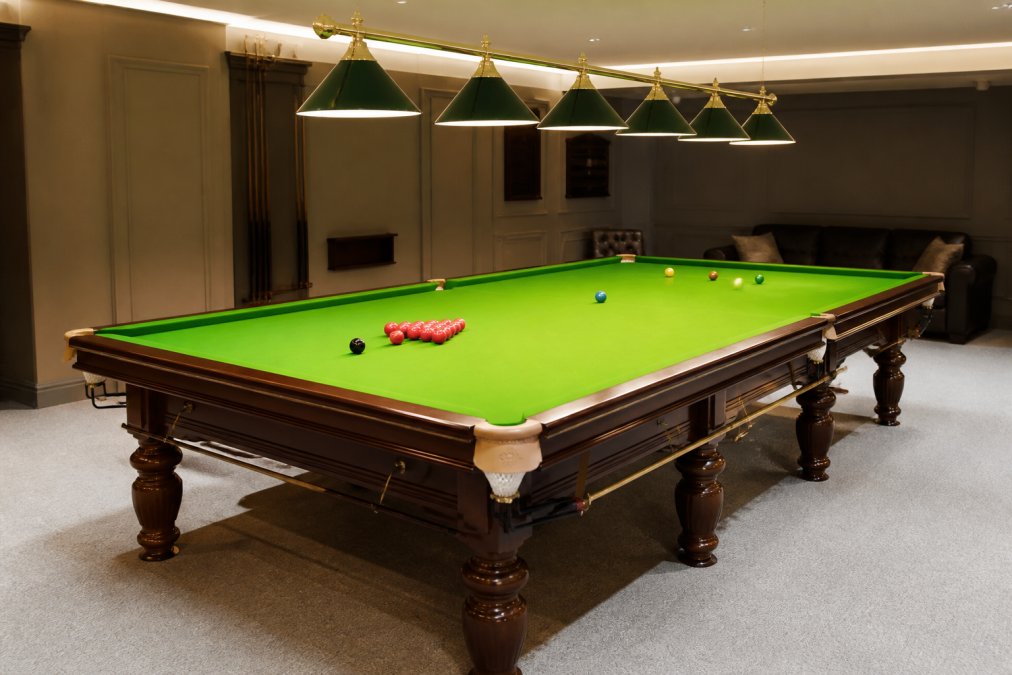
Buy professional snooker tables online only when you understand what separates a tournament-grade build from a decorative one. The difference comes down to three things: slate bed thickness, frame stability, and how the cushions respond to a struck ball.
A tournament-grade snooker table is a table built to the specifications used in professional ranking events, with a thick slate bed, a solid hardwood frame, and cushion rubber and cloth that meet world snooker standards. Those three components decide how the ball behaves, and no finish or accessory makes up for a weak one.
Slate Bed Thickness and Frame Stability
A slate bed is the ground stone playing surface beneath the cloth, and its thickness drives how flat the table stays over time. Thicker slate resists warping and dead spots; a hardwood frame holds that slate in place without flex.
Frame stability matters just as much. A table that shifts under a leaning player will never hold a true roll, no matter how good the slate is. Look for solid wood construction rather than particleboard, and check that the frame is braced at the legs and the bed.
Snooker Cloth, Cushion Rubber and Pocket Specifications
Snooker cloth is the woven wool surface that controls cloth speed and how the ball grips the playing surface. Cushion rubber sits under the cloth on the rails and determines cushion response, the rebound a ball gets off the side.
Pocket specifications round this out. Table pockets on a snooker table are cut tighter than on a pool table, and the cut must match the game you play. If the pockets are wrong, every shot feels off.
Standard Snooker Table Dimensions and Room Requirements
Standard snooker table dimensions for a full-size table are 3.66 m by 1.83 m (approximately 12 ft by 6 ft), measured across the playing surface between the cushions (wpbsa.com). That is the tournament size used for professional ranking events. But the table is only half the measurement problem; the other half is the cueing area, and that is where most buyers get it wrong.
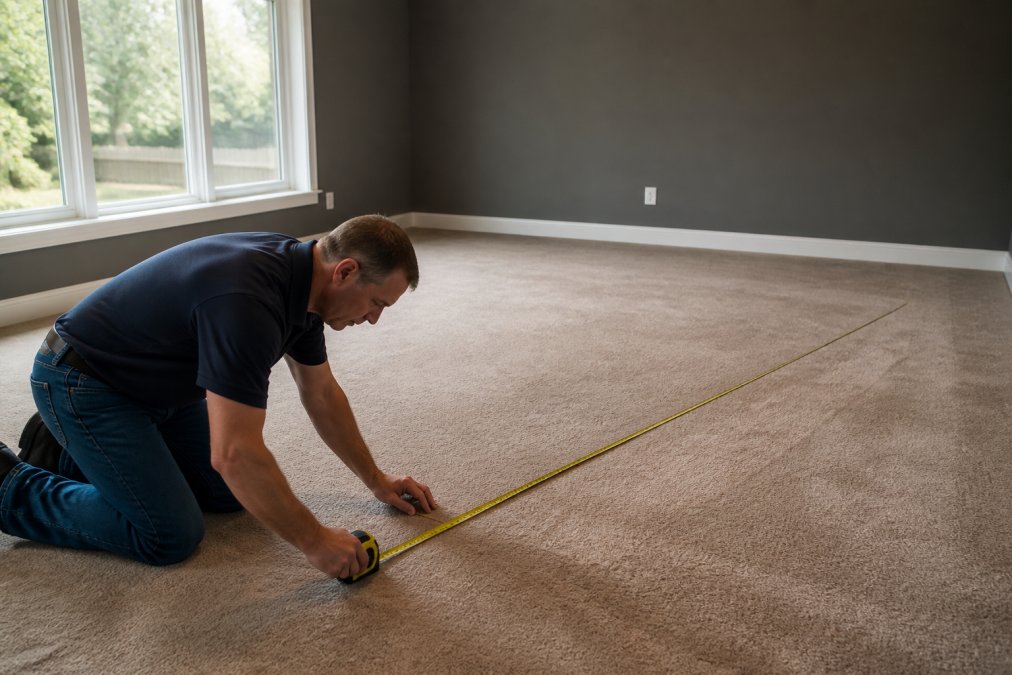
How to Measure the Cueing Area
The cueing area is the clear floor space around the table that lets a player draw the cue back without hitting a wall, a radiator, or a bar. A standard snooker cue is around 145 cm long, and most players need roughly 1.5 m of clearance behind the ball at the tightest point, the corner of the table where the cue is aimed along the rail (wpbsa.com).
Measure it like this:
- Mark the table's footprint on the floor with tape, using the playing surface plus the rail and frame overhang (allow roughly 10-15 cm per side beyond the cushion line).
- From each edge of that footprint, measure out 1.5 m and mark a second line. That outer rectangle is your minimum cueing area.
- Walk the perimeter. If any point of that outer rectangle hits a wall, a fixed cabinet, a radiator, or a door swing, you do not have a full-size table room; you have a smaller-table room.
- Add 20-30 cm of buffer on the two long sides if you want spectators, a scoreboard, or a chair to sit behind the players.
| Table Size | Playing Surface | Minimum Room (cueing area included) | Best For |
|---|---|---|---|
| Full-size | 3.66 m x 1.83 m (12 ft x 6 ft) | Approx. 6.7 m x 4.9 m | Tournament play |
| 3/4 size | 2.74 m x 1.37 m (9 ft x 4.5 ft) | Approx. 5.8 m x 4.4 m | Serious home play |
| Small | 2.44 m x 1.22 m (8 ft x 4 ft) | Approx. 5.5 m x 4.2 m | Casual play |
| Compact | 1.83 m x 0.91 m (6 ft x 3 ft) | Approx. 4.9 m x 3.9 m | Tight spaces |
Those minimums assume a 1.5 m cue and no furniture in the cueing zone. If your ceiling height is under about 2.4 m, check that a standing player can cue comfortably on the long rails; low beams over a table are a common and expensive oversight.
Full-Size vs. Small Snooker Tables: Which Fits Your Space
Full-size snooker tables give you the true game, and small snooker tables give you the game you can actually fit. The right choice is the largest table your room can hold with a proper cueing area on every side.
Here is what most guides miss: a smaller table is not a lesser table. A well-built 3/4 size table with a thick slate bed and good cushion rubber plays better than a cheap full-size table with a thin bed. Build quality beats size every time.
If you are furnishing a dedicated game room, go full-size. If the table shares space with a sofa or a bar, a smaller table will get played more often, and a table that gets played is the only table worth buying.
Snooker Table Installation Services and Delivery Logistics
Snooker table installation services are not optional for a slate-bed table. A full-size table weighs a great deal; a 12 ft table with a 45 mm slate bed commonly runs to several hundred kilograms across the slate, frame, and legs, and the slate arrives in three or five sections that have to be joined, shimmed, and leveled to a tolerance you cannot hit by eye. Professional installers handle the slate, join and level the bed, fit the cloth, and check the cushion response before they leave.
What to Check Before You Book Installation
Delivery and assembly logistics decide whether the table arrives playable. Before you confirm an order, work through these points:
- Access route. Measure the narrowest door, the stair turn, and any lift dimensions. A full-size slate section is heavy and rigid; if it will not pass, installers may need to crane it in through a window, which changes the quote.
- Floor loading. A slate-bed table concentrates weight on four legs. On an upper floor or a timber joist floor, it is advisable to check the point loads before the table goes down.
- Leveling tolerance. A well-set bed should show no drift on a slow roll. It is advisable to demonstrate a slow-roll test on both axes before signing off.
- Cloth fitting. The cloth should be fitted with the nap running consistently and stapled or glued without ripples at the pocket cuts.
- Cushion check. Bounce a ball off each cushion at three points and confirm the rebound is even.
Table leveling is the step most home setups get wrong, and an unlevel bed shows up as a ball that drifts on a slow roll. If your table is going into a club or a venue, book installation outside opening hours so the installers are not working around players.
Bespoke Craftsmanship and Customizable Finishes
Bespoke craftsmanship lets you match the table to the room instead of the other way around. Customizable finishes cover the frame and legs, and you can specify cloth colour, pocket cut, and rail detail.
This is where a serious supplier earns its keep. A bespoke build is only as good as the workshop behind it, so ask who makes the frame and what wood they use. A hardwood frame in a finish you chose will outlast three cheaper tables finished in whatever the factory had in stock.
For clubs and bars, bespoke also means matching a set of tables to one another. Ordering them together keeps the finish and the playing characteristics consistent across the room.
Snooker Table Maintenance Tips for Long-Term Play
Snooker table maintenance tips come down to a short routine done often. Brush the cloth along the nap after play, keep drinks and food off the rails, and cover the table when it is not in use.
A few habits protect the parts that matter:
- Brush the cloth after every session to lift chalk dust out of the weave
- Wipe the rails with a dry cloth, never a wet one
- Keep the room at a stable humidity so the slate and frame do not move (gov.uk)
- Have the bed re-leveled if the table is ever moved
- Replace worn cushion rubber before the rebound goes flat
Table maintenance is cheap. Replacing a cloth or a set of cushions is not, and both last far longer when the table is brushed and covered.
Choosing a professional table is really a decision about your room, your game, and the build quality behind the frame. Sonny's Billiard Supplies & Home Entertainment supplies snooker tables, cues, and billiard accessories for homes, clubs, and venues, and can put together a complete game room in one order, from the table and its installation to darts, foosball, and table tennis. Our team will talk you through slate thickness, cloth, and room fit before you commit. Get started with Sonny's Billiard Supplies & Home Entertainment and order a table built to be played for years.
Frequently Asked Questions
What are the standard dimensions of a professional snooker table?
A full-size professional snooker table measures 3569 mm by 1778 mm (12 ft by 6 ft) across the playing surface, with a height of 851 mm to 876 mm from floor to cloth. The pockets are cut to specific templates, and the cushion rubber profile must meet world snooker standards for tournament play. Smaller 10 ft and 9 ft versions exist for club and home use, but they are not used in professional ranking events.
How much space is required for a 12ft snooker table?
You need roughly 2 metres of clear cueing area on every side of a full-size table. That means a room of at least 7.5 m by 5.5 m for comfortable play with a standard 145 cm cue. If your space is tighter, consider a 10 ft or 9 ft table, or use a shorter cue. Measure doorways and stairwells before ordering, since a slate bed arrives in sections and must fit through the access route.
What is the difference between a club-grade and tournament-grade snooker table?
Tournament-grade tables use thicker slate beds (usually 45 mm), precision-ground cushions, and hardwood frames that resist warping. Club-grade tables often use 30 mm slate and softer woods, which can affect cloth speed and cushion response over time. If you plan to practise for competitive play or host ranking events, a tournament-grade table with a professional installation service is the better long-term investment.
What maintenance is required for a professional snooker table?
Brush the cloth after every session to remove chalk dust, and use a table cover when not in play. Check the level of the slate bed every few months, especially after moving the table or in rooms with temperature swings. Re-cloth the table every two to three years depending on use, and inspect cushion rubber for hardening. Keep the room humidity stable to protect the hardwood frame and playing surface.